Monuments of Faith Exhibition
Join us Friday 18th and Saturday 19th at Grimsby Town Hall!
A Free Heritage Open Day exhibition at Grimsby Town Hall will showcase centuries of religious architecture.
This exhibition will explore the history of religious architecture across the area, featuring a collection of photographs, historic documents and artefacts relating to monastic houses, Anglican churches and nonconformist chapels.
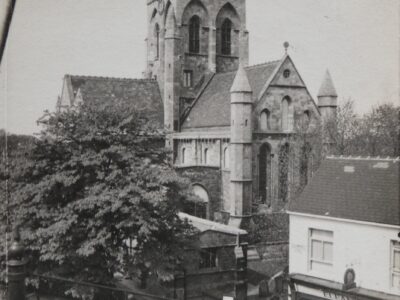
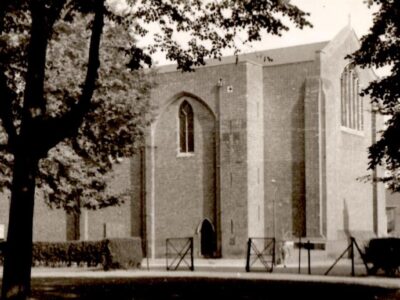
This exhibition aims to shine a light on some of the region’s lost places of worship, including Grimsby’s Baptist Tabernacle, St Stephen’s Church on Roberts Street, St Paul’s Church in the West Marsh, and Trinity Methodist Church in Cleethorpes.
A dedicated section of the exhibition will focus on Grimsby’s synagogue and the history of the town’s Jewish community, including their contribution to the development of the town and their service during both World Wars.
Monuments of Faith offers visitors an opportunity to discover how places of worship have shaped the history, communities and landscape of North East Lincolnshire, while exploring some of the buildings that have survived and others that have disappeared from the local landscape.
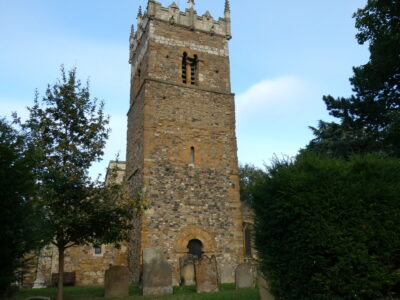
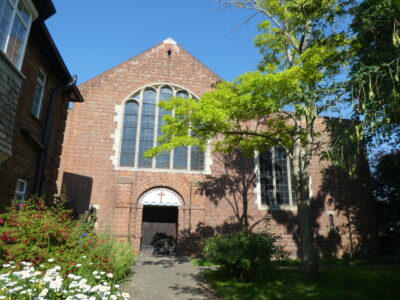
“This exhibition will examine the history of religious architecture in North-East Lincolnshire from the age of the Anglo-Saxons to the Swinging Sixties. The buildings that feature in the display cover the period from the building of Old Clee’s western tower in the 11th century to the construction of St Andrew’s Church on Garibaldi Street, which was begun in the year that England won the World Cup.”
Adrian Wilkinson, Local Archivist
Monuments of Faith exhibition highlights the fascinating story of Grimsby’s synagogue, which first opened for worship in 1888. This part of the display will also shed light on the lives of Jewish people in the town, their service in both World Wars, and the businesses they established, which played an important part in Grimsby’s development from the late 19th century onwards.
Monuments featured:
All Saints-c1906: The Heneage Road Church was built from the designs of the Cutts brothers of London; who designed 46 churches across Britain between 1873 and 1912.
Baptist Tabernacle: The building was designed by a London architect, Martin Glover, and constructed by John Brown of Grimsby. On 19th October 1876 the foundation stone for the chapel was laid by Richard Johnson, the Chief Engineer for the Great Northern Railway, who was very devout and a strict teetotaller. When it opened in December 1877, the first event was a 7am prayer meeting that drew in 400 people.
Church Tower: The Saxon tower dates from around 1050 and St Hughs re-dedicated the church in 1192 during the reign of Richard the Lionheart.
…and many more featured!